Services:
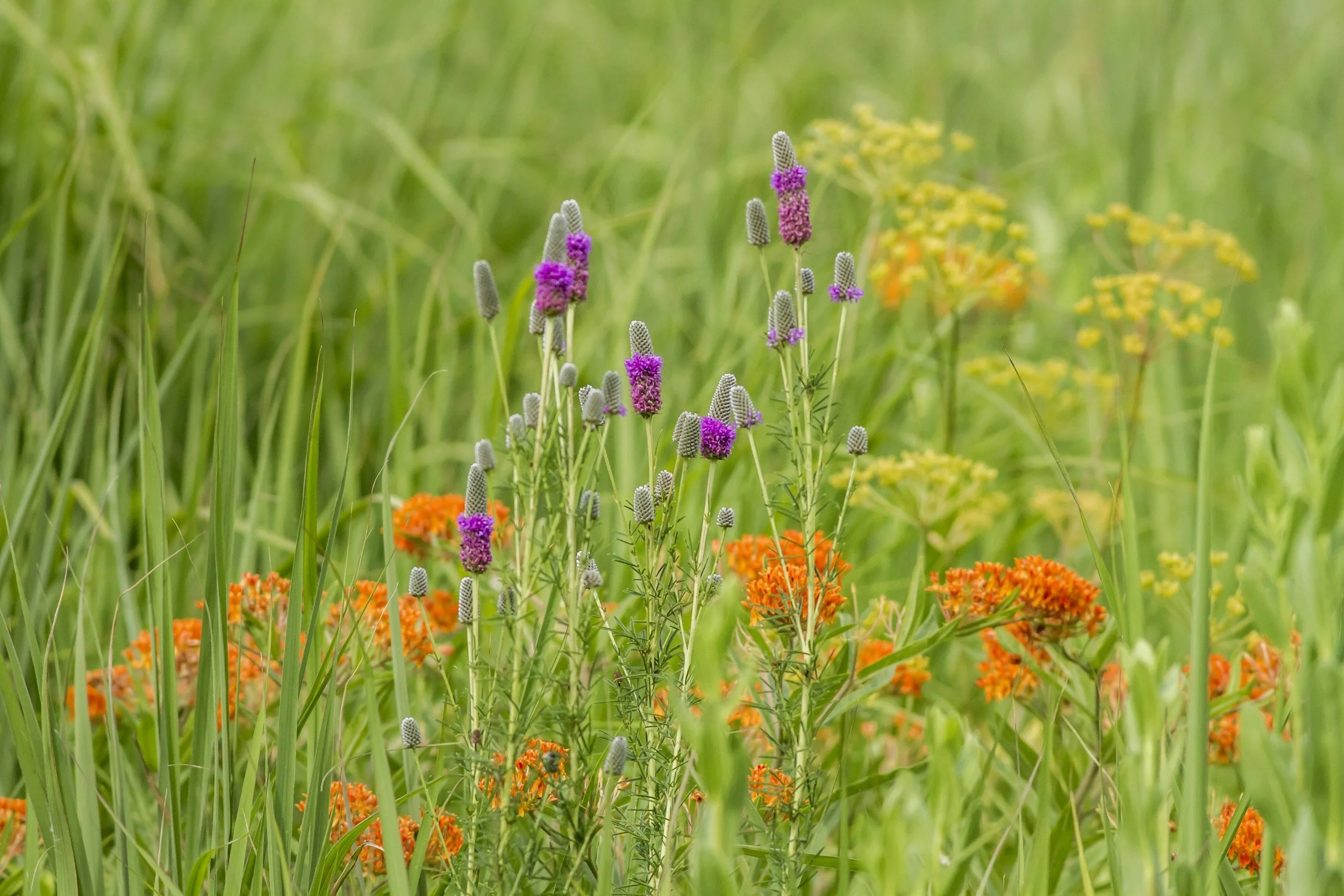
Prairie Plots: Prairie plots are traditional prairies, with a large variety of plant species that support native wildlife. Prairie plots can be anywhere from 3 feet tall to 9 feet tall, depending on your preference. Taller plants can easily be omitted from the prairie mix, to create a prairie that is exactly the height you desire. Prairie plots are composed of entirely native species that once were found across the Midwest. The pros of prairie plots are that they support native wildlife, control erosion, increase soil fertility, filter water, require no fertilization or irrigation, and can be an added recreational value. Prairie plots do best when installed in the fall. The prairie mix is 100% perennial, so it does not need to be replanted, and will come back every year. The cons of prairie plots are that they need more maintenance down the road and take longer to establish and be showy. Prairie plots are also more permanent, if that is something you are interested in. The first year or two after planting a prairie, the plants will focus on root growth as opposed to foliage growth. These plants are in it for the long haul.
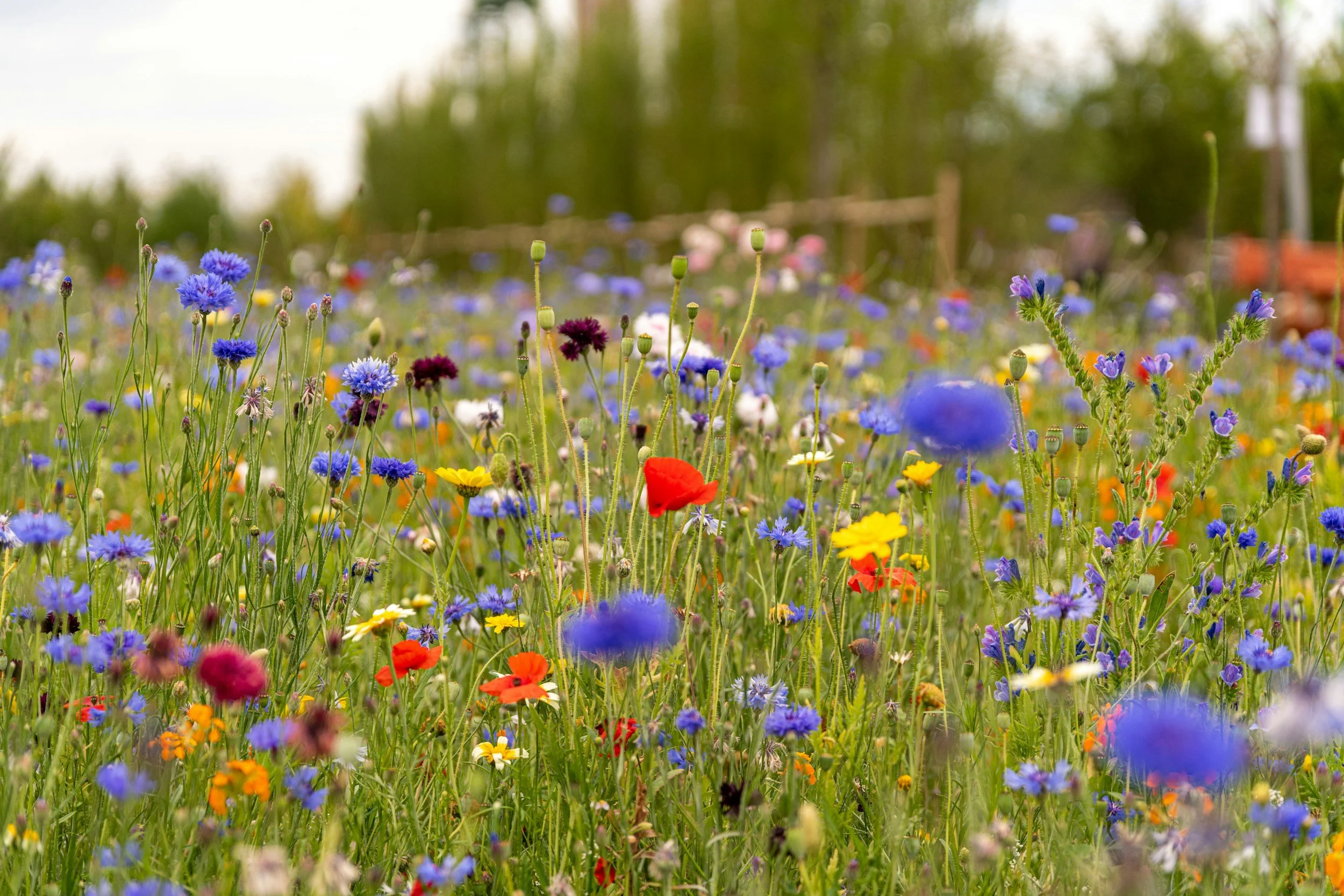
Wildflower Plots: Wildflower plots are grown to add color and beauty to any property. Wildflower plots consist entirely of flowers, no grasses. The seed mix can vary in height, based on your preference. Wildflower plots can be either annual or perennial, or a mix of both. Wildflower plots can consist of native or nonnative flowers. The pros of wildflower plots are that they can be installed in the spring, are showy and beautiful the first summer, and support bees, butterflies, birds, and other biodiversity. The cons of wildflower plots is that they only last one season, or may need reseeded the following year if perennials were also growing. Wildflower plots may not offer the pristine habitat a prairie plot or pollinator plot would. Wildflower plots may need irrigation throughout the summer if planted with non-native species, as well as fertilizer.
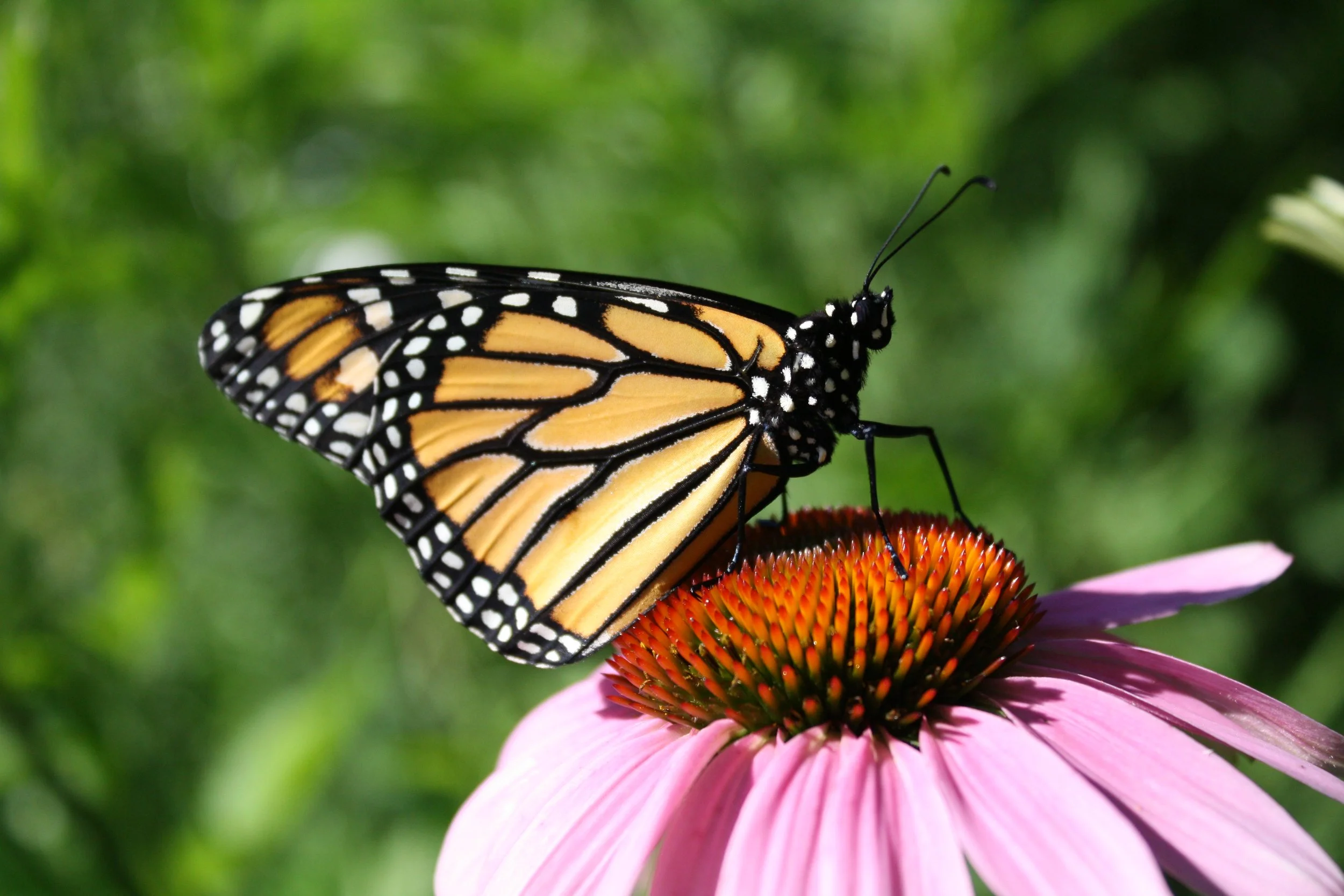
Pollinator Plots: Pollinator plots are grown specifically to support pollinator species. Pollinators consist of bees, butterflies, birds, bats, beetles, moths, and so on. Pollinator plots are designed to provide food and nectar resources, as well as habitat. These plots consist of a majority of perennial flowers, and 25% bunch grasses to promote habitat, as well as help stabilize the forb species. These plots are best installed in the fall, and will grow the following spring. The pros of pollinator plots is that they are extremely beneficial to the ecosystem, will bring biodiversity and life into your yard, and can be very colorful and lively. Pollinator plots do not need fertilizer or irrigation. The cons is that they take longer to install, and will need mowed the first year. Pollinator plots may put up a sign explicitly stating no mowing or spraying to protect the pollinators.
Perfect Prairies specializes in the installation of weed-free wildflower, prairie, and pollinator plots.